04·Advisory
Deciding on AI in an environment that changes ever faster
The key isn't choosing once. It's being able to keep choosing well as the environment changes.
5 min read
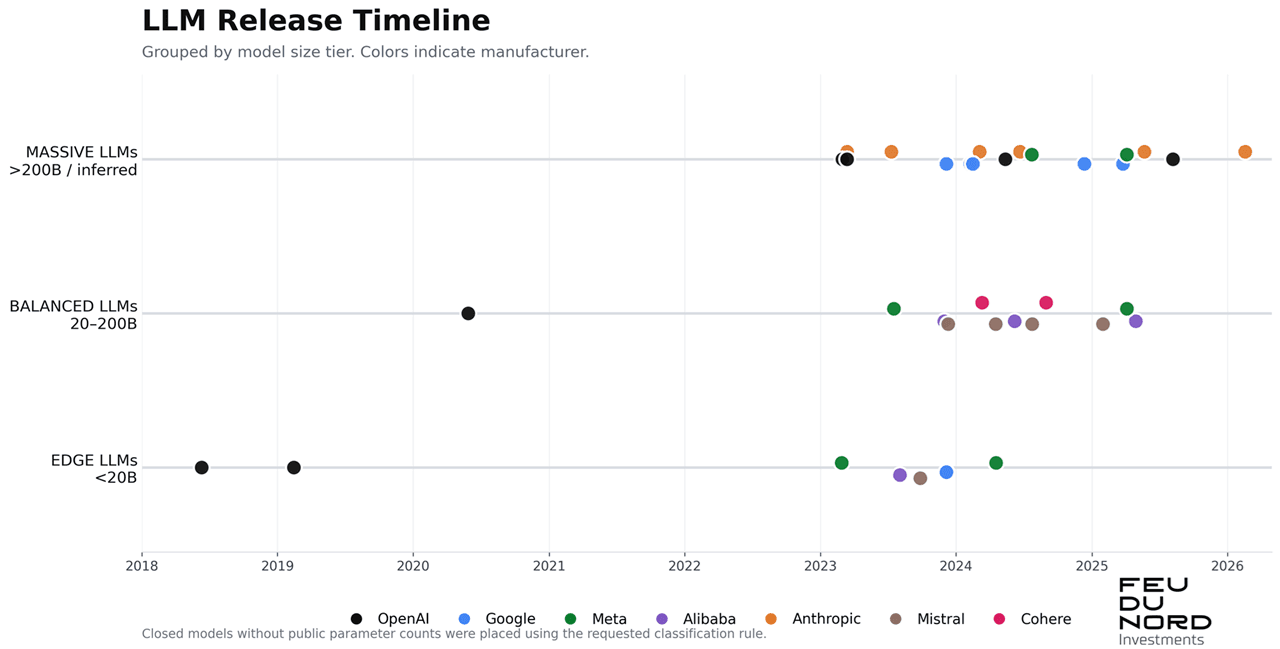
Talking about «AI» in the abstract is increasingly less useful.
Behind the term there are multiple layers:
- models,
- retrieval,
- orchestration,
- infrastructure,
- security,
- experience.
And each evolves at different rates.
The real challenge: deciding in complexity
The problem isn't just making decisions.
It's doing so in a dynamic environment, with multiple options and trade-offs.
That's why the relevant question isn't «which model to use».
It's:
- how to structure the architecture,
- which layers to invest in,
- where to maintain flexibility,
- and where to be deliberately agnostic.
Break down to advance
The organizations that progress best don't simplify the problem. They structure it.
- separate layers,
- align each decision with a use case,
- avoid unnecessary lock-in,
- and prioritize real value from the start.
Architectures ready to change
In AI, stability isn't the goal.
Adaptability is.
This means designing systems:
- modular,
- evolutionary,
- and replaceable by components.
Bravae's role
Bravae helps translate AI into concrete decisions:
- what to build,
- how to structure it,
- and how to keep it adaptable.
It's not about avoiding decisions.
It's about making them with a clearer view of their impact and their reversibility.